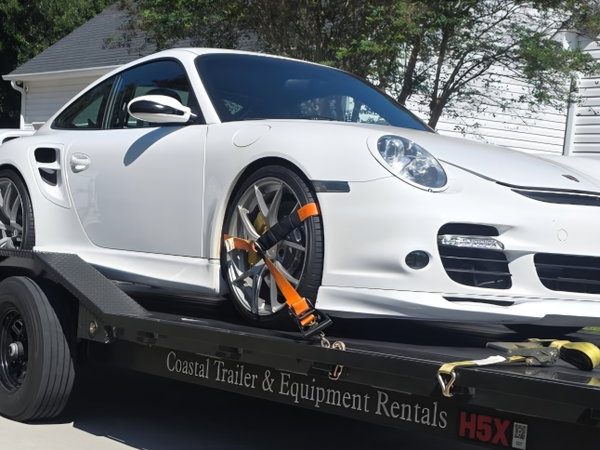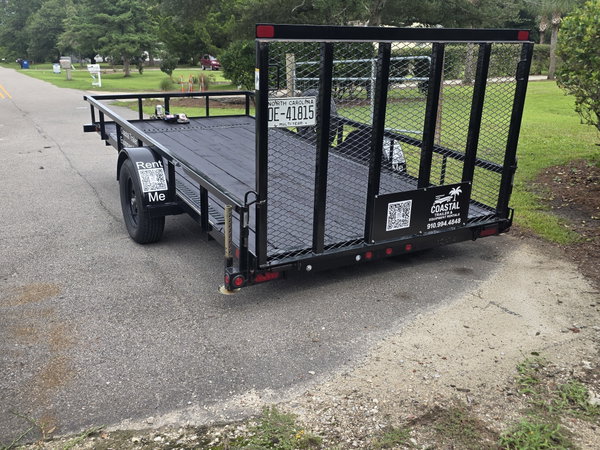
Towing a trailer, boat, camper, or another vehicle can be challenging, especially for inexperienced drivers. Following proper towing practices helps protect you, your passengers, and other road users. This guide covers the essential steps for safe towing.
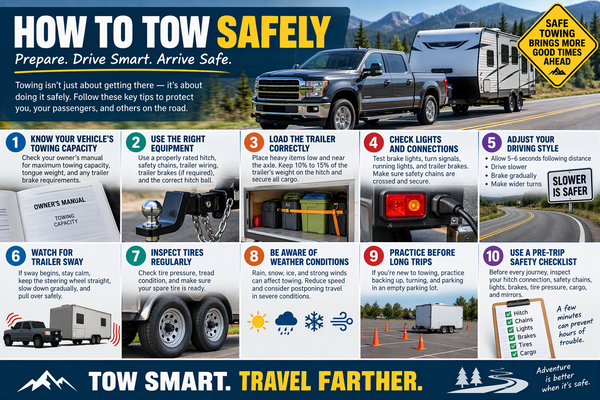
1. Know Your Vehicle's Towing Capacity
Before attaching a trailer, check your vehicle owner's manual for:
Maximum towing capacity
Maximum tongue weight
Recommended hitch type
Trailer brake requirements
Never exceed the manufacturer's towing limits. Overloading can lead to poor handling, brake failure, and increased accident risk.
2. Use the Right Equipment
Ensure you have:
A properly rated hitch
Safety chains
Trailer wiring and lights
Trailer brakes (if required)
Correct-sized hitch ball
Inspect all equipment before every trip for signs of wear, damage, or corrosion.
3. Load the Trailer Correctly
Improper weight distribution can cause trailer sway and loss of control.
Best Practices:
Place heavy items low and near the trailer axle.
Secure all cargo with straps or tie-downs.
Keep approximately 10% to 15% of the trailer's weight on the hitch (tongue weight).
Avoid loading too much weight at the rear of the trailer.
4. Check Lights and Connections
Before departure:
✅ Test brake lights
✅ Test turn signals
✅ Test running lights
✅ Verify trailer brakes are working
✅ Confirm safety chains are crossed under the hitch
A quick inspection can prevent serious problems on the road.
5. Adjust Your Driving Style
Towing requires extra caution.
Increase Following Distance
Allow at least 5 to 6 seconds between your vehicle and the one ahead.
Drive Slower
Higher speeds increase the likelihood of trailer sway and reduce reaction time.
Brake Gradually
A heavier load takes longer to stop.
Make Wider Turns
Trailers cut corners during turns, so allow extra space.
6. Watch for Trailer Sway
Trailer sway can occur due to:
High speeds
Improper loading
Strong winds
Sudden steering movements
If sway begins:
Stay calm.
Keep the steering wheel straight.
Gradually reduce speed.
Do not slam on the brakes.
Pull over safely and inspect the load.
7. Inspect Tires Regularly
Check:
Tire pressure on both vehicle and trailer
Tire tread condition
Spare tire readiness
Underinflated or damaged tires are a common cause of towing-related breakdowns.
8. Be Aware of Weather Conditions
Rain, snow, ice, and strong winds can significantly affect towing safety.
Consider postponing travel if conditions are severe. Reduce speed and increase following distance during poor weather.
9. Practice Before Long Trips
If you're new to towing:
Practice backing up in an empty parking lot.
Learn how your trailer responds to steering inputs.
Practice parking and turning.
Confidence and experience make towing safer and less stressful.
10. Perform a Pre-Trip Safety Checklist
Before every journey:
Inspect hitch connection
Check safety chains
Verify lights and brakes
Confirm tire pressure
Secure cargo
Test mirrors and visibility
A few minutes of preparation can prevent hours of trouble.
Conclusion
Safe towing starts with preparation, proper equipment, and careful driving. By staying within towing limits, securing your load correctly, and adjusting your driving habits, you can reduce risks and enjoy a safer journey. Remember: when towing, patience and caution are your best tools on the road.