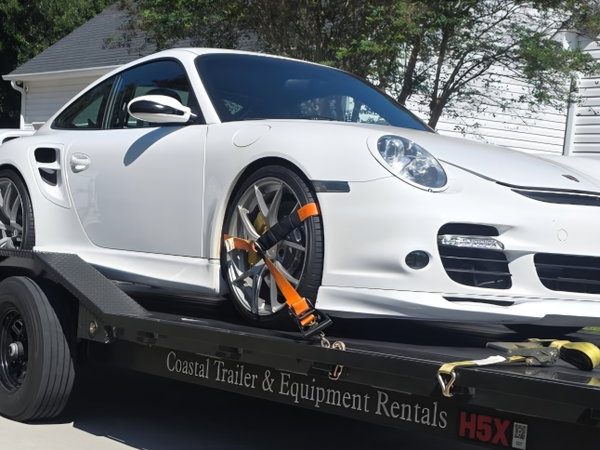
Low-profile vehicles are built for performance, style, and aerodynamics, but their reduced ground clearance can make loading them onto a trailer a challenge. Without the proper equipment and technique, loading a sports car, race car, lowered truck, or custom vehicle can result in costly damage to bumpers, spoilers, side skirts, or undercarriage components.
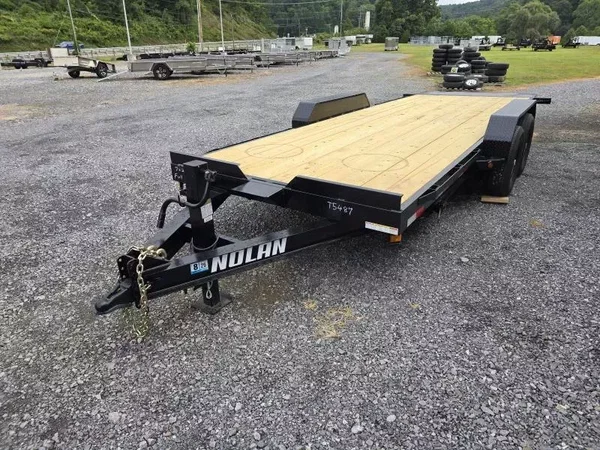
Using a quality car hauler combined with race ramps is one of the safest and most effective ways to load low-clearance vehicles while protecting your investment. Here's how to do it correctly.
Why Low-Profile Vehicles Require Special Care
Standard trailer ramps often create a steep loading angle that can cause a vehicle's front splitter, bumper, or chassis to scrape as it transitions onto the trailer. This issue becomes even more significant with:
Lowered sports cars
Race cars
Custom-built vehicles
Track cars
High-performance exotics
Classic cars with low ground clearance
By reducing the approach angle, race ramps provide a smoother transition from the ground to the trailer deck, helping prevent contact with critical vehicle components.
Benefits of Using Race Ramps
Race ramps are specifically designed to make loading low-profile vehicles safer and easier. Key advantages include:
Reduced Loading Angle
Race ramps extend the distance of the climb, creating a gentler incline that minimizes the risk of scraping.
Protects Expensive Components
Front splitters, air dams, side skirts, and exhaust systems remain protected during loading and unloading.
Lightweight and Easy to Handle
Unlike heavy steel extensions, race ramps are lightweight and simple to position on your trailer.
Improved Traction
Many race ramps feature a non-slip surface that helps tires maintain grip during loading.
Step-by-Step Guide to Loading a Low-Profile Vehicle
1. Park on a Level Surface
Always position your car hauler on firm, level ground before loading. Uneven surfaces can increase ramp angles and create unnecessary risks.
Before beginning:
Engage the tow vehicle's parking brake
Verify the trailer is securely connected
Chock the trailer wheels if necessary
2. Position the Race Ramps Properly
Place the race ramps at the base of the trailer ramps, ensuring they are:
Centered with the trailer ramps
Stable and secure
Free of debris, dirt, or loose gravel
Proper alignment is critical for a smooth loading process.
3. Inspect Your Equipment
Before loading the vehicle, inspect:
Trailer ramps
Race ramps
Tie-down points
Winch (if equipped)
Trailer deck
Never load a vehicle if equipment appears damaged or unstable.
4. Load Slowly and Steadily
Drive the vehicle up the ramps slowly while maintaining a straight path. Avoid sudden acceleration, braking, or steering inputs.
For extremely low vehicles, using a winch may provide additional control and further reduce risk.
5. Watch Clearance Points
Pay close attention to:
Front bumper clearance
Splitter clearance
Side skirt clearance
Rear bumper transition
Having a spotter can help identify potential contact points before damage occurs.
6. Position the Vehicle Correctly
Once on the trailer, position the vehicle according to the trailer manufacturer's weight distribution recommendations.
Proper weight distribution helps:
Improve towing stability
Reduce trailer sway
Enhance braking performance
7. Secure the Vehicle
Use high-quality tie-down straps or wheel straps to secure the vehicle.
Verify:
All straps are properly rated
Tie-down points are secure
Straps are evenly tensioned
Nothing is rubbing against painted surfaces
After driving a short distance, stop and recheck all tie-downs.
Common Loading Mistakes to Avoid
Many vehicle owners accidentally damage their cars by making avoidable loading mistakes, including:
Loading too quickly
Using ramps that are too short
Ignoring trailer angle changes
Failing to inspect loading equipment
Using worn or damaged tie-down straps
Not checking vehicle clearance during loading
Avoiding these mistakes can save thousands of dollars in repairs.
Why Choose Our Car Hauler and Race Ramp Combination?
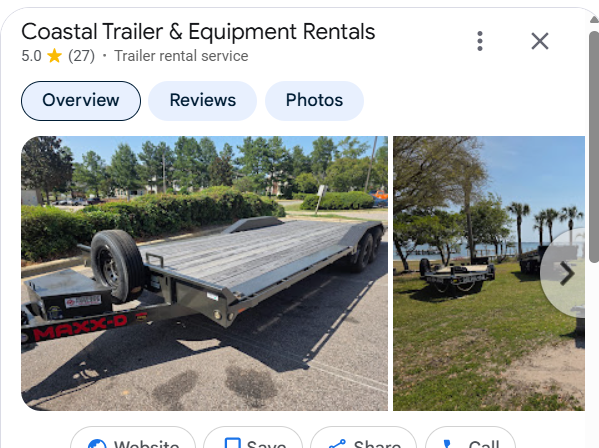
Our car hauler and race ramp solutions are designed specifically for performance vehicles and low-clearance applications. Whether you're transporting a race car to the track, moving a classic car to a show, or hauling a lowered street vehicle, the right equipment helps ensure safe, damage-free loading every time.
With the proper ramp setup, smooth loading angles, and secure vehicle positioning, you'll have confidence knowing your vehicle is protected from start to finish.
Final Thoughts
Loading a low-profile vehicle doesn't have to be stressful. By using a quality car hauler paired with race ramps, you can significantly reduce loading angles, protect valuable bodywork, and improve overall safety during transport.
Investing in the right equipment today can help prevent expensive damage tomorrow, giving you peace of mind every time you load, transport, and unload your vehicle.
Ready to haul your low-profile vehicle safely? Contact us today to learn more about our car haulers, race ramps, and transport solutions designed for performance and lowered vehicles.